Designing a Single Cordon
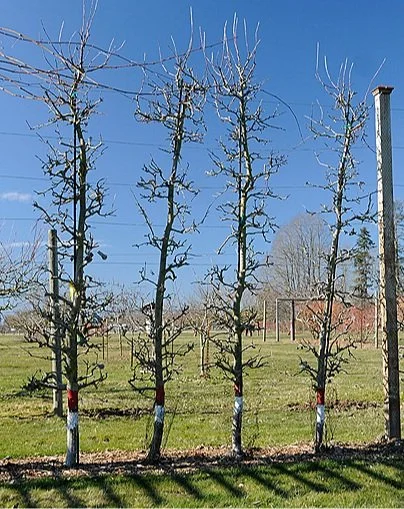
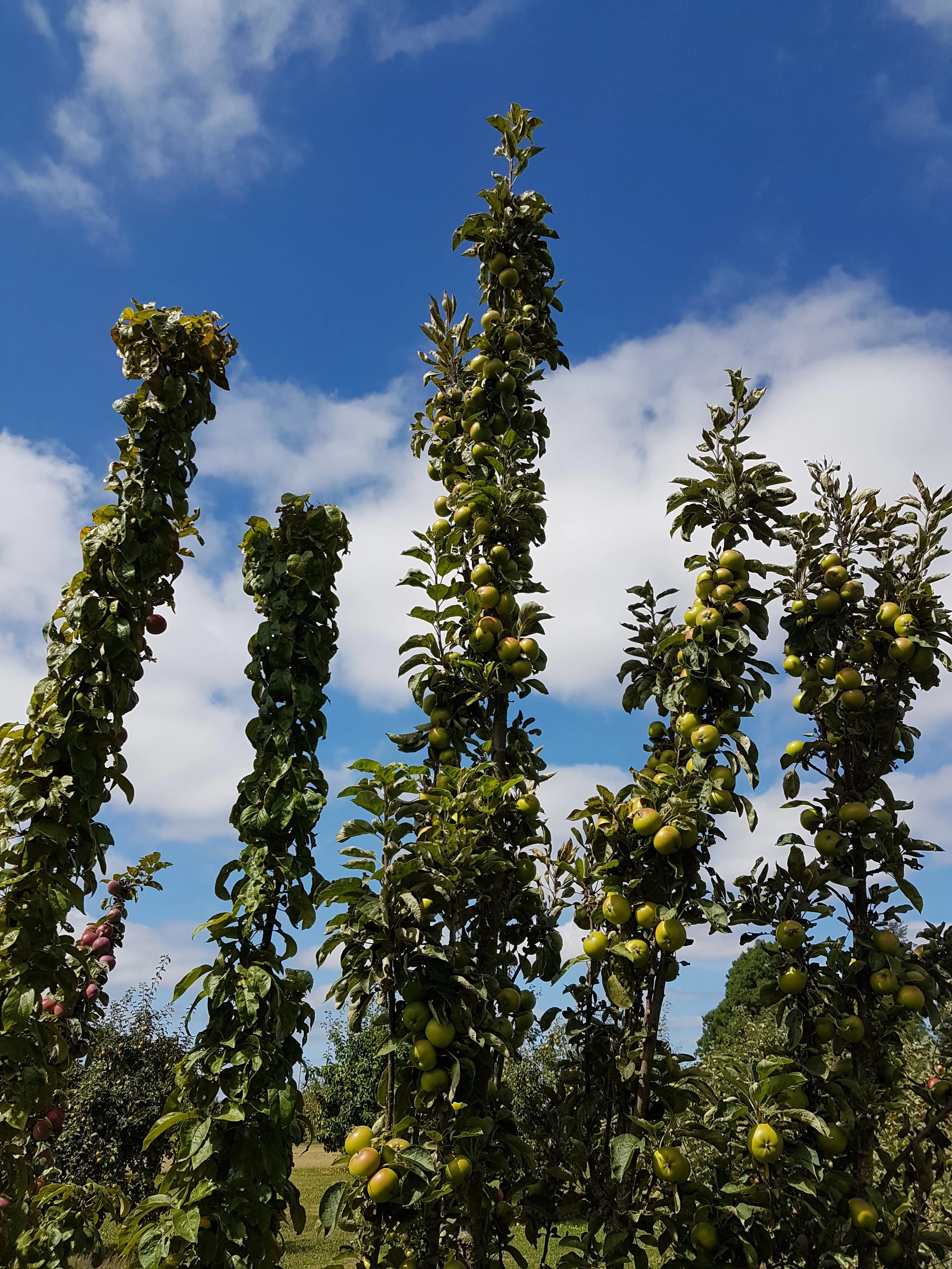
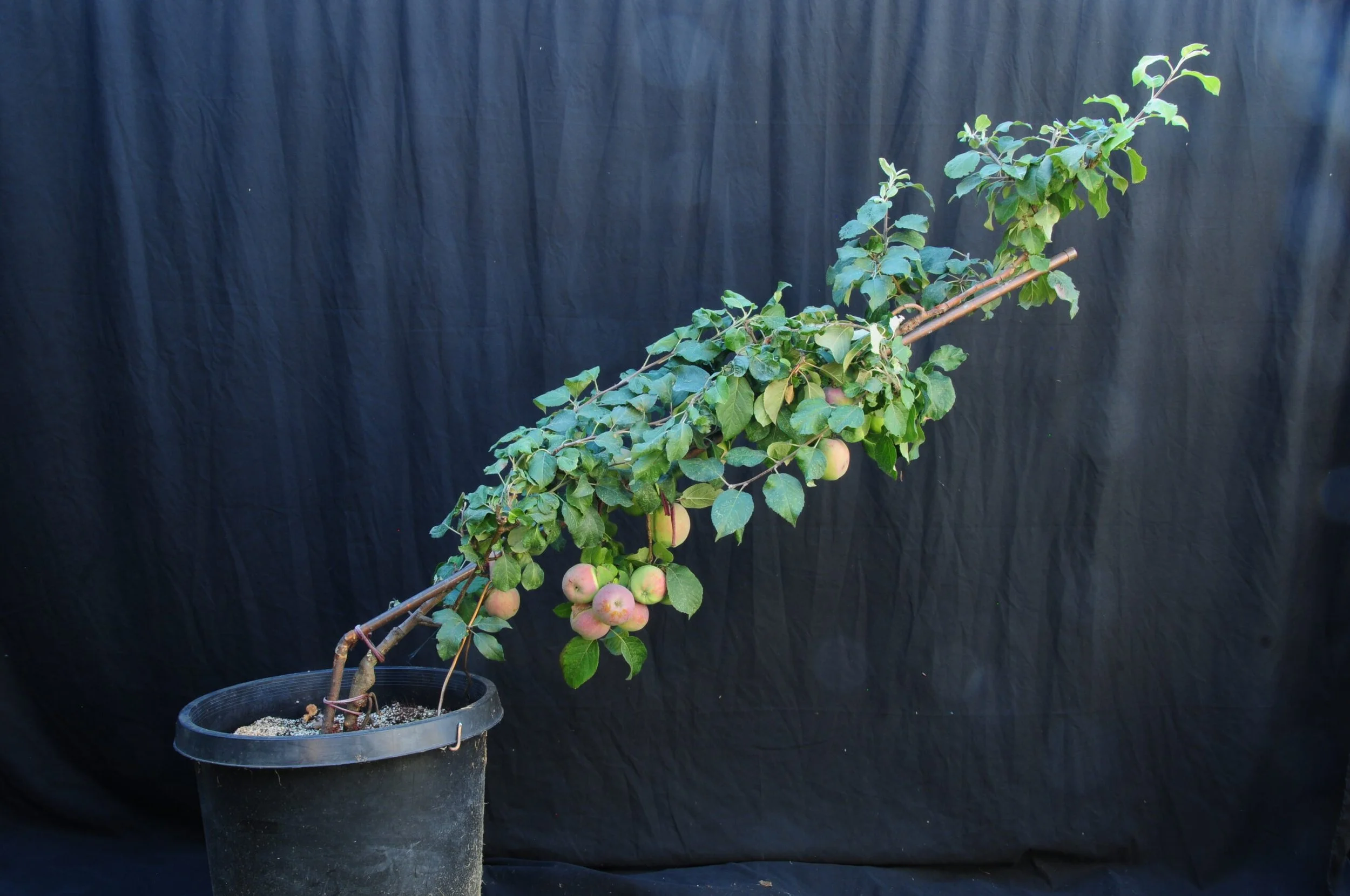
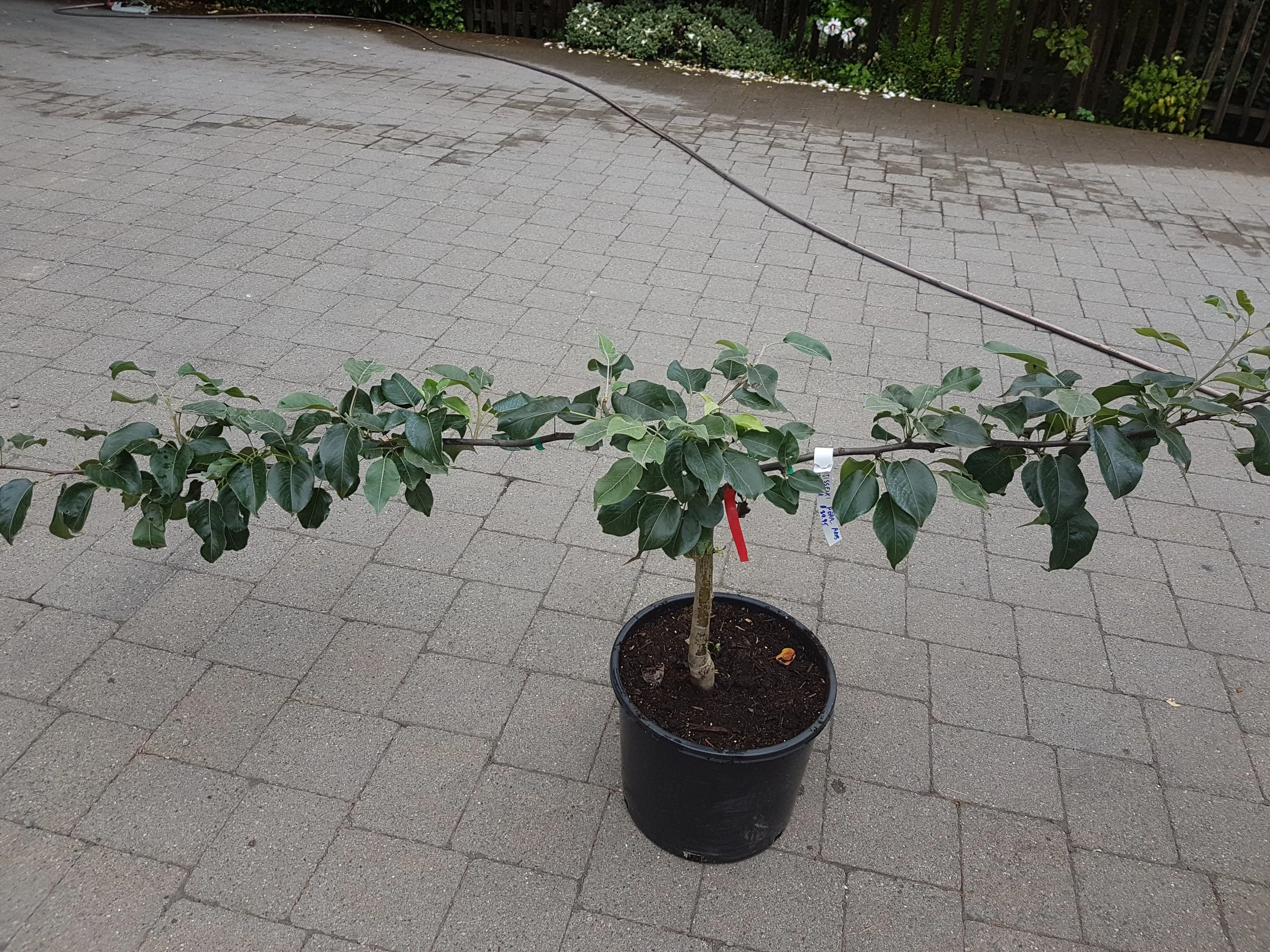
Cordons are the building blocks of all espalier fruit trees. A single cordon is a single trunk or branch with very short side-shoots that carry the fruit. As well as producing fruit cordons form the diagram or form of espalier trees as seen from a short distance in spring with blossoms, summer with fruit and leaves and winter as just the wood framework.
I do recognize that some of the tree designs I am including in this definition are sometimes separated into groups with these names: Espalier, Fan, Vertical Cordon, Oblique Cordon, Stepover, U, Double U, Candelabra, and more. I also recognize that the identical tree design is labeled with different names around the world.
The cordon structure, the need for sunlight to penetrate through the Cordon, and fruit tree physiology are the same regardless of the name the design is labeled with.
Even though these trees (apple, European pear, Asian pear, sweet cherry, acid cherry, European plums, Asian plums, apricots and crosses)
There some differences when training fruit trees that only fruit on one year old wood, primarily peaches, nectarines, and Almonds. As with all the rest of the temperate fruit trees, peach flower buds must receive less than 20% direct sunlight as they develop during the previous summer may not develop properly, there will be fewer of them and shoots will die. Internal shade is detrimental to these trees.
And there are also some differences when training trees that develop flower buds the spring of the year they will flower. Persimmons and Medlars develop in this way.

One of the benefits of espalier trained fruit trees is better sunlight interception than non espalier forms. This means improved tree growth and bigger crops.
Some of the new cordon systems being planted in commercial orchards world wide are training them so some sunlight passes through them. (edit)
The single biggest problem that occurs with cordons is close together and long laterals that cause internal shade in the cordon itself. If you maintain your cordons so direct sunlight falls on all buds, spurs and leaves the result will be:
Stronger blossom buds, flowers and fruit
Improved fruit set
Reduced disease and insect problems
Improved pattern visibility showing off the tree you choose to grow
The maximum diameter or width of an individual cordon is usually about 12” (30 cm). If the cross section of the cordon is a circle, the length of lateral branches and fruiting spurs (on mature trees) should be 6” (15cm) or less.